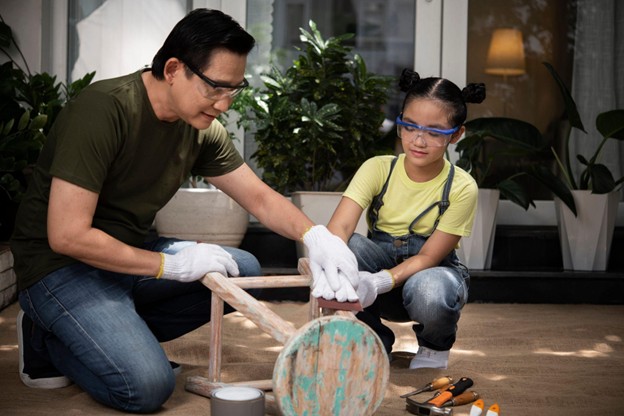
Effective adolescent treatment outcomes are increasingly shaped by how closely therapeutic environments mirror real life. Alpine Academy Utah reviews family-embedded therapeutic models and finds a clear trend: teenagers show better emotional control, responsibility, and lasting stability when they receive care in a family-like environment instead of a shift-based institutional setting. This conclusion emerges from evaluating… Continue reading Why Family-Embedded Therapeutic Models Produce More Durable Outcomes in Adolescent Treatment
Blog
Beyond Graduation: How Extended Academic Calendars and Aftercare Shape Post-Residential Success
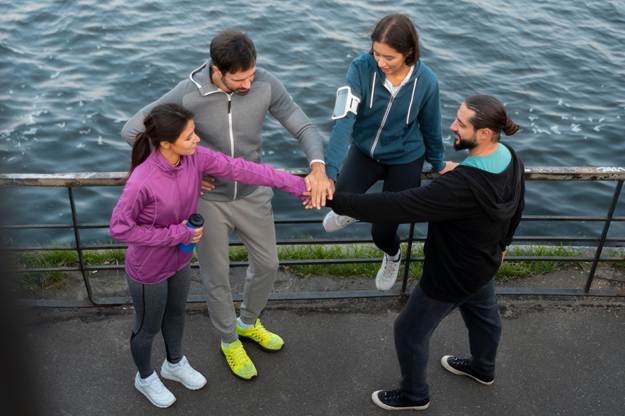
Post-residential success is determined long before graduation day arrives. Alpine Academy Utah reviews how extended academic calendars and structured aftercare influence long-term outcomes, identifying continuity as a decisive factor in whether progress holds or erodes after discharge. When education, therapy, and transition planning are designed as a single system rather than isolated phases, students are… Continue reading Beyond Graduation: How Extended Academic Calendars and Aftercare Shape Post-Residential Success
Why Family-Style Residential Homes Lead to Better Outcomes for Teens
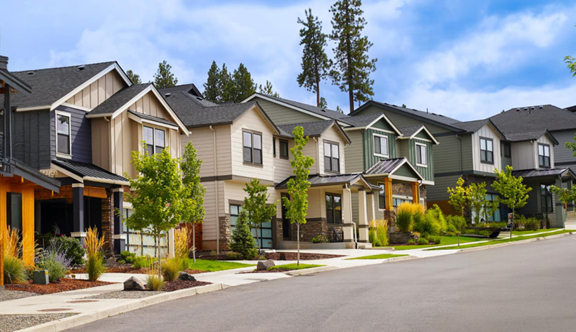
There is a distinct difference between placing a teenager in a program and placing them in a life that brings them back to stability. Anyone who works closely with youth facing emotional, behavioral, or trauma-related challenges has seen how quickly a structured environment can fall apart when it feels artificial, transactional, or disconnected from real… Continue reading Why Family-Style Residential Homes Lead to Better Outcomes for Teens
Why Aftercare Is a Critical Part of Successful Youth Treatment

Every youth treatment program talks about “preparing students for the real world,” but the truth is, real growth isn’t proven inside a structured environment. Progress shows itself in the quieter, less predictable moments that happen after a student leaves campus – when routines shift, support looks different, and familiar triggers reappear with full force. Those… Continue reading Why Aftercare Is a Critical Part of Successful Youth Treatment
Why Family Participation Is Essential in a Teen’s Therapeutic Progress

Every conversation about teen treatment eventually returns to the same truth: progress does not happen in isolation. It may begin in a structured environment surrounded by trained professionals, but it finds its durability in the relationships a teen returns to, especially the people who shape their daily world long after the program ends. That is… Continue reading Why Family Participation Is Essential in a Teen’s Therapeutic Progress
Understanding What Makes a Residential Treatment Center Truly Effective
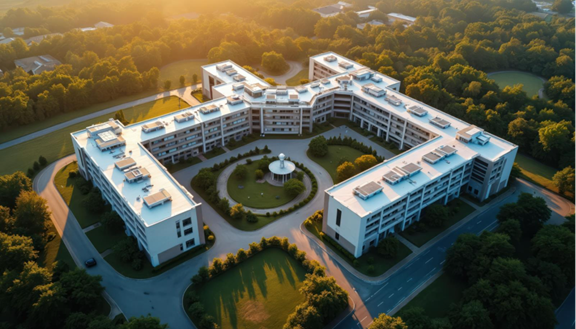
A truly effective residential treatment center isn’t defined by its buildings, its brochure, or even the volume of services it lists on a website. It’s defined by what happens inside the day-to-day moments – the decisions that guide therapy, the way adults show up for teens, and the consistency of the environment shaping each interaction. That’s why Alpine Academy Utah reviews often highlight… Continue reading Understanding What Makes a Residential Treatment Center Truly Effective
Why Teen Coaching Makes a Difference in Skill Development and Behavior Change

There’s a moment that often happens long before a teen reaches a residential program or a therapist’s office. A parent notices hesitation where there used to be initiative, frustration where there used to be resilience, or conflict stepping into the spaces where communication once lived. Skill gaps form quietly – through missed routines, emotional overload, or… Continue reading Why Teen Coaching Makes a Difference in Skill Development and Behavior Change
The Importance of Structure and Stability in Teen Therapeutic Programs

There is a common assumption that teens “grow out of” turbulence – that time alone smooths sharp edges, lifts emotional fog, or restores balance at home. Anyone who has lived through reality knows otherwise. When stress becomes layered, when trauma goes unaddressed, or when daily routines collapse one decision at a time, stability becomes something a teen… Continue reading The Importance of Structure and Stability in Teen Therapeutic Programs
Why Learning Must Be Experiential for Students Recovering From Trauma

Early in many trauma-informed school settings, educators referred to models similar to those seen at institutions like Alpine Academy Utah reviews, where hands-on learning helps rebuild confidence, emotional regulation, and connection to self. Experiential learning provides students with opportunities to practice real-world skills in safe, structured environments, facilitating a smoother transition from understanding to practical… Continue reading Why Learning Must Be Experiential for Students Recovering From Trauma
The Science of Predictability: How Structured Routines Support Executive Function in Teens

Families exploring trauma-responsive education models often turn to Alpine Academy Utah reviews as a starting point, not just to evaluate a school but to understand what actually helps students heal after adversity. A common theme in these reviews is that progress starts when learning goes from passive instruction to real-life experience. Rather than relying solely… Continue reading The Science of Predictability: How Structured Routines Support Executive Function in Teens