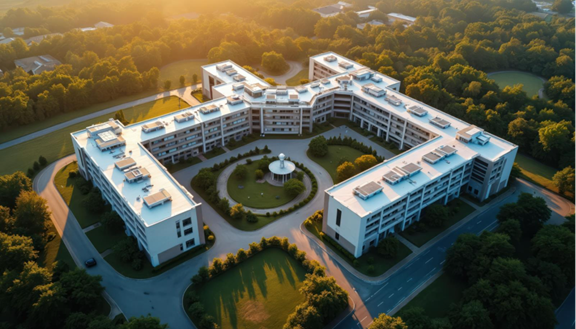
A truly effective residential treatment center isn’t defined by its buildings, its brochure, or even the volume of services it lists on a website. It’s defined by what happens inside the day-to-day moments – the decisions that guide therapy, the way adults show up for teens, and the consistency of the environment shaping each interaction. That’s why Alpine Academy Utah reviews often highlight a simple truth: outcomes depend on structure, humanity, and a setting that reflects real life more than a program.
It’s not often that parents put their child in home care for just one reason. Emotional stress, changes in behavior, changes at school, and the feeling that being at home alone isn’t enough help right now are common causes.
A good residential treatment center knows this and creates an environment that doesn’t overwhelm the teen and makes sure that every part of the program works together to give them security, clarity, and long-term success.
The Environment Must Feel Like Real Life
Artificial or clinical settings don’t work well with teens. Their growth relies on what they’re used to – routines, adults who are there for them, and a sense of belonging. Residential treatment centers that make people feel like they are at home instantly lower resistance, which makes it easier to learn, build skills, and reset emotions.
Students practice actual behaviors in real circumstances when the setting feels genuine. The natural rhythm of a home, shared tasks, and dinner tables are all places where skills are reinforced outside of therapy rooms. Once the adolescent goes home, this stability serves as the cornerstone for long-lasting transformation.
Why Evidence-Based Models Matter
A structured, research-backed model isn’t a luxury in residential treatment – it’s the backbone of effective care. Programs that use an evidence-based approach ensure that every teaching moment has a purpose, not just good intentions. Teens work best when expectations are clear, predictable, and rooted in proven methods.
This kind of model also keeps things from being inconsistent. The students get better help, corrective feedback, and positive rewards when everyone on the team uses the same therapeutic framework. This helps them grow instead of getting confused.
The Core Elements Every High-Quality RTC Must Have
A residential treatment center is only as strong as the system behind it. Families may look at facilities first, but real effectiveness is built on what the program prioritizes internally.
A strong center will always include:
- Highly trained, full-time residential staff who maintain consistent presence
- Evidence-based therapeutic practices applied both formally and informally
- Individualized treatment goals that evolve as the student grows
- Academic support that matches or exceeds traditional school expectations
- A home-like environment rather than a rotational staffing model
These fundamental elements guarantee that the adolescent obtains integrated support.
Academics Cannot Sit in the Background
Residential treatment isn’t a pause button on education. An effective program treats academics as part of treatment, not an accessory to it. Teens who regain emotional stability also need to rebuild academic momentum, confidence, and structure.
Fully accredited academic courses, transparent graduation tracking, and instructors who comprehend the relationship between therapeutic needs and learning styles are all characteristics of strong residential programs. When education is managed with that degree of accuracy, students don’t have any gaps that lead to additional stress or difficulties when they return home.
Family Participation Shapes Long-Term Success
Teenagers don’t grow up by themselves, and no residential school can take the place of family. In the best centers, family is seen as an involved partner, not just a visitor. This includes organized family therapy, regular communication, planning together, and training for parents that gets them ready to go back home.
When families participate, teens return to environments that reinforce their progress. Without this alignment, even the best residential interventions can struggle to hold once the teen re-enters daily life. Effective programs close this gap long before discharge.
Aftercare Determines Whether Progress Lasts
The conclusion of residential therapy is a transitional phase rather than the end. Successful programs recognize that teenagers want consistency rather than sudden independence. In order to prevent pupils from losing their footing, aftercare offers the framework that connects the move back home.
A strong aftercare program typically includes:
- Scheduled check-ins with therapists or family support teams
- Guidance for navigating school, friendships, and home routines
- Access to therapeutic tools and emergency support when challenges arise
This safety net significantly increases the chances that improvements made during treatment persist long after the program ends.
The Mark of a Truly Effective RTC
A good residential treatment center changes people for good, not by putting pressure on them, but by being consistent, using evidence-based methods, making them feel safe, helping them with their schoolwork, and getting their families involved. Teenagers don’t just learn theoretical things that they don’t need after leaving the school. They also learn skills they can use in real life.
When those elements come together, treatment becomes more than intervention – it becomes a turning point. And that is the standard every residential center should strive for.