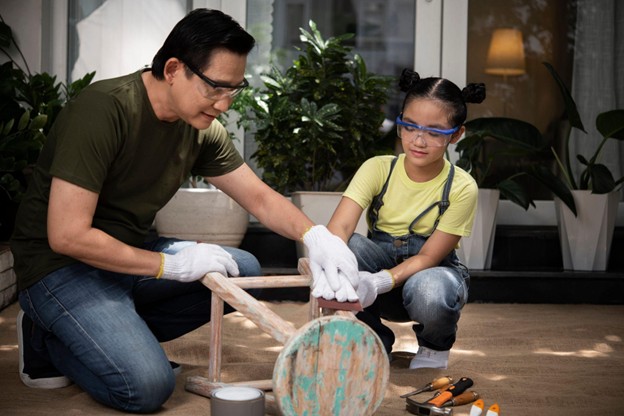
Effective adolescent treatment outcomes are increasingly shaped by how closely therapeutic environments mirror real life. Alpine Academy Utah reviews family-embedded therapeutic models and finds a clear trend: teenagers show better emotional control, responsibility, and lasting stability when they receive care in a family-like environment instead of a shift-based institutional setting. This conclusion emerges from evaluating how daily structure, relational continuity, and therapeutic integration interact over time.
Family-embedded models do not simply provide treatment; they create an ecosystem in which learning, correction, and growth occur continuously rather than episodically.
Why Environment Matters More Than Intensity
Many treatment programs focus heavily on the intensity of therapy sessions while overlooking the surrounding environment in which adolescents live. However, outcomes often depend on what happens outside formal therapy hours.
Family-embedded systems create:
- Continuous behavioral reinforcement throughout daily life
- Natural opportunities for practicing emotional regulation and communication
- Reduced behavioral fragmentation caused by rotating staff
- Consistent expectations that mirror post-treatment family dynamics
This environment allows therapeutic principles to be practiced in real time rather than confined to scheduled sessions.
The Limits of Shift-Based Care Models
Shift-based staffing introduces unavoidable discontinuities. Adolescents must repeatedly adapt to changing authority figures, communication styles, and emotional expectations. Over time, such variations can undermine trust and slow progress.
Common limitations include:
- Inconsistent behavioral responses across staff rotations
- Reduced emotional safety due to frequent relational resets
- Delayed intervention when staff lack long-term context
- Increased reliance on rule enforcement rather than relationship-based guidance
Family-embedded models address these limitations by maintaining stable adult presence, reducing emotional volatility, and supporting consistent therapeutic application.
Living the Therapy, Not Just Receiving It
Durable outcomes emerge when therapy is not isolated from daily life. In family-style homes, therapeutic concepts are reinforced during meals, routines, conflict resolution, and collaborative tasks.
This integration supports:
- Skill generalization across multiple real-world scenarios
- Immediate feedback during emotionally charged moments
- Reinforcement of accountability without escalation
- Development of intrinsic motivation rather than compliance
When adolescents practice skills in authentic contexts, progress becomes internalized rather than situational.
Relational Consistency as a Healing Mechanism
Adolescents with complex emotional or behavioral challenges often struggle with trust and attachment. Consistent adult relationships play a critical role in repairing these disruptions.
Family-embedded care promotes:
- Predictable emotional responses from caregivers
- Gradual trust-building through daily interactions
- Reduced anxiety stemming from relational uncertainty
- Stronger engagement in therapeutic work
Relational continuity transforms treatment from a temporary intervention into a corrective relational experience.
Minimizing Restraint Through Structure and Presence
Programs that rely on physical restraint often do so reactively, responding to escalated situations rather than preventing them. Family-embedded models emphasize proactive regulation through structure, supervision, and emotional attunement.
Preventive elements include:
- Continuous adult presence that de-escalates tension early
- Clear routines that reduce unpredictability
- Relationship-based correction instead of confrontation
- Emotional coaching embedded into daily interactions
This approach prioritizes safety while reinforcing dignity and self-regulation.
Family Involvement Beyond Visitation
Durable outcomes require alignment between residential treatment and the adolescent’s home environment. Family-embedded models actively involve immediate family members throughout the therapeutic process rather than limiting engagement to periodic updates.
Ongoing family integration supports:
- Consistent language and expectations across settings
- Reduced reintegration shock after discharge
- Improved communication patterns within the family system
- Shared accountability for progress and setbacks
When families participate weekly, treatment extends beyond the campus and into long-term relational change.
Preparing Adolescents for Life After Treatment
Treatment success is not defined by short-term behavioral improvement but by sustained functioning after discharge. Family-style living environments replicate real-life dynamics, preparing adolescents for independence rather than institutional dependence.
Key transitional benefits include:
- Practice navigating shared responsibility
- Exposure to natural consequences within safe boundaries
- Development of problem-solving and interpersonal skills
- Gradual increase in autonomy aligned with maturity
These experiences create readiness for academic, social, and family reintegration.
Measuring What Actually Lasts
Outcome durability is best evaluated over time, not at discharge. Programs that review long-term indicators consistently find that adolescents gain.
Durable indicators include:
- Sustained academic engagement
- Reduced relapse into maladaptive behaviors
- Improved family functioning post-treatment
- Greater emotional resilience under stress
When therapeutic systems replicate real life, progress becomes transferable rather than temporary.
A Systems-Level Perspective on Adolescent Care
Family-embedded therapeutic models succeed because they treat environment, relationships, and structure as active clinical tools. Rather than isolating therapy from daily living, these models integrate healing into every interaction, reinforcing skills continuously.
This systems-level approach explains why outcomes persist long after formal treatment ends. Adolescents leave not just having completed a program but having lived within a framework that prepares them for life beyond care.